7 Hidden Facts About Tulips That Will Change Your Perspective
Posted on 26/06/2025
7 Hidden Facts About Tulips That Will Change Your Perspective
Tulips are celebrated worldwide for their vibrant colors and elegant forms, but there is far more to these springtime blooms than meets the eye. Whether you're a casual gardener, a flower enthusiast, or a lover of history, these hidden facts about tulips will reveal a new side to one of nature's most beloved flowers. Dive into this comprehensive guide to discover surprising aspects about tulips that can transform how you see these enchanting blooms.
1. Tulip Mania and the First Recorded Economic Bubble
The story of tulips is deeply entwined with financial history. In the 17th century, the Netherlands experienced a period known as Tulip Mania, often cited as the world's first speculative economic bubble. During this era, the price of tulip bulbs soared to astronomical levels. People traded bulbs for the value of homes or fortunes, only for the market to dramatically collapse in 1637.
Impact on Modern Economics
- Tulip Mania popularized the concept of "bubble economies," where asset prices vastly exceed their intrinsic value.
- The event remains a cautionary tale for contemporary investors and economists alike.
- Tulip bulbs were once worth more than gold, symbolizing both beauty and the danger of irrational market behavior.
This historical episode not only shaped financial theories but also solidified tulips as enduring symbols of both prosperity and folly.
2. Tulips Changed the Course of Fashion and Culture
While tulips are intrinsically linked to Dutch heritage, their influence extended into art, fashion, and cultural motifs across Europe and Asia. Artists in the Ottoman Empire and the Dutch Golden Age were particularly enamored with the graceful silhouette of the tulip, inspiring lavish textiles, ceramics, and paintings.
Cultural and Artistic Significance
- Ottoman Sultans adopted the tulip as a symbol of paradise on earth, integrating it into palatial gardens and architecture.
- The "Tulip Era" (1718-1730) in the Ottoman Empire marked a renaissance in art, architecture, and leisure, all centered around the flower.
- Dutch painters like Jan Brueghel and Rachel Ruysch immortalized tulips in still life masterpieces.
- Tulip motifs became essential in European textiles and tapestries, representing wealth and sophistication.
Understanding the cultural footprint of tulips highlights how blooms can shape artistic movements and fashion trends for centuries.
3. Tulip Varieties: More Than Just Colors
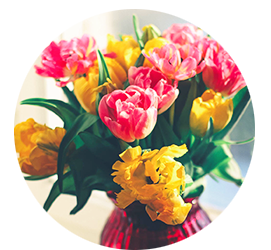
One of the most amazing facts about tulips is the staggering diversity within the species. While most people think of classic, cup-shaped blooms in red, yellow, or pink, there are over 3,000 registered varieties divided into 15 groups.
Types of Tulips
- Tulips can have single, double, fringed, or parrot-shaped petals, each with a unique appearance.
- There are tulips that resemble peonies, lilies, and even star-shapes.
- "Rembrandt Tulips," famous for their streaked patterns, originally arose due to a benign plant virus, now appreciated for their beauty.
- Exotic varieties like the Black Parrot or Queen of Night exhibit shades rarely seen in other flowers, such as deep purple and near-black.
If you thought tulips came only in simple reds and pinks, think again! Their remarkable diversity makes them a dream for gardeners and collectors alike.
4. Unexpected Uses: Tulips in Cuisine and Medicine
Did you know that tulip petals are edible? Historically, during times of famine, including World War II, the Dutch ate tulip bulbs and petals as a food source. While not a gourmet delicacy, the edible parts of tulips are still sometimes used in creative cuisine today.
Medicinal and Culinary Uses
- Tulip petals can add color to salads and desserts--just ensure no pesticides have been used on the flowers you consume.
- Certain varieties are sweeter and less bitter than others, making them more suitable for eating.
- In the past, tulip extracts were explored for their antifungal and antibacterial properties, with some potential medicinal applications.
- Never eat tulip bulbs unless guided by a knowledgeable forager or expert, as some parts can be toxic in large quantities.
This secret about tulips shows that they are more than ornamental; they have also played a role in culinary history and may hold future medicinal potential.
5. Tulips Are Not Truly Dutch
When most people think of tulips, they picture endless fields in Holland. But surprisingly, tulips are not native to the Netherlands.
Origins and Global Journey
- Tulips originated in the mountainous regions of Central Asia, specifically modern-day Kazakhstan and surrounding countries.
- They were cultivated as early as the 10th century by Persian and Turkish gardeners.
- The flower reached Europe in the 16th century, thanks to traders and diplomats who brought bulbs home from the Ottoman Empire.
- The Dutch embraced and perfected the commercial cultivation of tulips, making the Netherlands the world leader in tulip breeding and exports.
Understanding the real origins of tulips adds another layer of appreciation for their global journey and cultural significance.
6. Tulips Can Survive in Extreme Climates
Despite their delicate appearance, tulips are remarkably hardy. Their ancestors survived harsh conditions on rocky slopes and windblown steppes, which means modern tulip varieties can also endure surprisingly tough environments.
Hardiness and Growth Habits
- Tulips are perennial bulbs, often capable of surviving freezing winters and dry summers.
- The bulb stores enough energy to regenerate year after year, sometimes even after being dug up and replanted.
- Certain wild tulip species thrive in regions with arid, extreme temperatures, adapting to low water and nutrient conditions.
- Tulips can flower at high altitudes, adding splashes of color to mountain meadows and rocky outcrops.
The resilience of tulips demonstrates that beauty and endurance often go hand in hand, making them a symbol of strength as well as elegance.
7. Tulips Have Powerful Symbolism Across the World
Tulip symbolism varies widely. Beyond their role in love and romance, tulips convey messages of renewal, eternal life, and even political meaning. Over the centuries, poets, artists, and rulers have used tulips to express everything from passion to peace.
Symbolic Meanings
- In Persia, tulips were a symbol of perfect love and paradise, inspiring poetry and miniature art.
- Red tulips in the West often represent true love and undying passion.
- White tulips can symbolize forgiveness or a fresh start.
- Yellow tulips are associated with cheerfulness and hope, while purple tulips signify royalty or admiration.
- In Turkey, tulips remain a national symbol, reflecting national pride and heritage.
Whether for romance, inspiration, or national pride, tulips are among the most meaningful flowers in global culture.
How These Hidden Tulip Facts Can Inspire You
Learning these seven incredible tulip facts can truly change your perspective on what might seem like an ordinary flower. Tulips are much more than seasonal decorations; they are icons of history, culture, resilience, and creativity.
Ways to Appreciate Tulips Even More
- Expand your garden by growing lesser-known tulip varieties--look for rare shapes, colors, or historic types like Rembrandt tulips.
- Explore tulip festivals in global destinations like Istanbul, Ottawa, and Holland for a richer cultural experience.
- Discover the art and symbolism of tulips by examining works of global artists or incorporating tulip motifs into home decor.
- Celebrate tulips year-round by studying their history, origins, and medicinal uses--there's always more to learn!
Many people will see tulips with fresh eyes after discovering these surprising facts. From shaping economic history to symbolizing eternal love, tulips continue to capture imaginations across generations and continents.
Conclusion: Tulips Are More Than Meets the Eye
In summary, these hidden tulip facts show that a simple flower can carry centuries of history, intrigue, and inspiration. Whether you're admiring their beauty or savoring their unique past, tulips stand out as one of the world's most fascinating flowers.
Next time you walk by a bed of blooming tulips, remember: you're not just looking at a flower--you're witnessing a living emblem of the power of nature, culture, and resilience. That's a perspective change worth sharing!