Maximize the Longevity of Your Cut Flowers at Home
Posted on 22/06/2025
Maximize the Longevity of Your Cut Flowers at Home: Expert Tips for Freshness
There is nothing quite like the beauty and fragrance of fresh cut flowers brightening up your home. Whether they were lovingly gifted or hand-picked from the garden, cut flowers can elevate your space and mood. However, their splendor can be fleeting, often wilting within days if not cared for properly. But don't worry--there are proven methods to maximize the longevity of your cut flowers at home. In this comprehensive guide, we'll share science-backed, practical tips and techniques for making your floral arrangements last longer than ever before.
Why Do Cut Flowers Wilt So Quickly?
Understanding why cut flowers fade helps us better care for them. Once flowers are cut, they lose their connection to the plant's root system, which normally provides them with water, nutrients, and natural disease protection. Without this support, flowers quickly dehydrate, bacteria builds up, and natural hormones cause the petals to wilt and die. But with thoughtful care, it's possible to prolong their beauty and freshness.
How to Maximize the Longevity of Cut Flowers at Home: Preparation and Initial Care
1. Choose Wisely: Picking the Freshest Flowers
- Inspect flowers before buying: Choose blooms that are just starting to open. Avoid wilted, bruised, or brown edges on petals and leaves.
- Check the stems: Firm, green stems indicate freshness. Wilted or slimy stems are a clear sign of age.
- Mind the season: Seasonal flowers typically last longer because they're naturally robust and less stressed during transit.
2. Cut and Condition Like a Pro
- Trim the stems: Use sharp, clean scissors or a knife to cut 1-2 inches from the bottom of each stem at a 45-degree angle. This increases the surface area for water absorption and prevents the stem from resting flat on the vase bottom.
- Remove excess leaves: Leaves below the waterline promote bacteria growth. Strip off any that would be submerged.
- Use tepid water: Room-temperature water helps flowers transition from outdoor to indoor environments gently.
3. The First Soak: The Importance of Hydration
- Hydration bath: Let newly cut flowers soak in a vase or bucket of clean water for at least an hour before arranging them. This helps rehydrate the stems and prevent early wilting.
- Flower food: Most purchased bouquets come with a sachet of flower preservative. Use it! It contains sugars, acidifiers, and biocides that all help maximize vase life.
Arranging Your Cut Flowers for Maximum Freshness
1. Use a Clean Vase: Avoid Bacteria
- Wash thoroughly: Scrub vases with hot, soapy water and a little bleach to kill bacteria or mold from previous arrangements.
- Rinse well: Any soap residue can harm your blooms, so rinse vases until water runs clear.
2. Proper Water Level and Temperature
- Fill appropriately: Most stems need water at least halfway up. Bulb flowers (like daffodils and tulips) last longer with just a few inches of water.
- Cool or tepid water: Avoid ice-cold or very warm water unless caring for specific species such as hydrangeas, which benefit from warm water to revive wilting heads.
3. Recut Stems Regularly
- Every 2-3 days: Remove your flowers and trim about a half-inch off the bottom of each stem, always at a slant. This breaks any blockages and ensures continued water uptake.
- Change water: Never simply top off; fully replace the water to prevent bacterial growth. Clean the vase before refilling.
4. Use the Right Flower Food
A flower food packet is specifically designed to maximize the vase life of cut flowers at home. It contains:
- Sugar: Nourishes flowers and maintains their color.
- Acidifier: Makes water slightly acidic, which helps stems absorb water more efficiently.
- Biocide: Prevents growth of bacteria, mold, and fungi in the vase.
If you run out or prefer a DIY method, you can make your own with:
- One quart of lukewarm water
- 2 tablespoons lemon juice or vinegar
- 1 tablespoon sugar
- 1/2 teaspoon household bleach
Best Practices for Placing and Caring for Your Cut Flowers
1. Mind the Environment
- Keep cool: Place your arrangement in a cool spot, away from direct sunlight, heaters, and appliances, which accelerate wilting.
- Draft-free: Avoid vents, fans, and open windows, as moving air dehydrates flowers quickly.
- Separate from ripening fruit: Many fruits, especially bananas and apples, release ethylene gas, which triggers flowers to age and drop petals rapidly.
2. Refresh and Prune
- Daily check: Remove wilted, brown, or moldy flowers and leaves immediately. One dying bloom can accelerate the decay of others.
- Top up water as needed: Flowers drink rapidly, especially in the first day. Check water levels every morning.
3. Special Handling for Unique Flowers
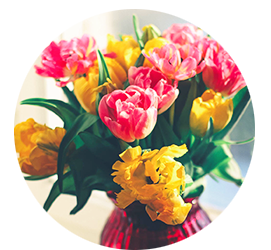
- Tulips: Keep away from direct heat, and add pennies or a splash of vodka to the water to help keep stems upright.
- Roses: Recut stems underwater to prevent air bubbles, and remove outer petals ("guard petals") for a neater look.
- Hydrangeas: Submerge wilting heads in warm water for 30 minutes to revive them.
- Sunflowers: Provide ample water and recut daily--they are heavy drinkers!
Advanced Tricks to Extend the Life of Your Home Flower Arrangements
1. Additives Beyond Flower Food
- Aspirin: Some swear by crushing an aspirin tablet in the vase water--it lowers pH and discourages bacterial growth.
- Vodka or gin: A few drops can act as a bactericide and slow down ethylene production.
- Bleach: Just a pinch (no more than 1/2 teaspoon per quart) keeps water clear and free of mold and mildew.
2. Store Overnight in Cooler Temperatures
If you really want to maximize the longevity of your cut flowers, place them in a cool area (even a refrigerator) overnight. Florists use coolers to preserve stems--replicate this at home for special events!
3. Use Clean Tools and Avoid Metal
- Sharp scissors or knives: Dull tools crush stems, reducing water uptake.
- No metal vases: Metal reacts with preservatives and flower food, shortening vase life (unless it is stainless steel or painted/shelled).
What Flowers Last the Longest in a Vase?
Some flower varieties naturally last longer than others as cut stems. For those who want bouquets that stand the test of time, consider these long-lasting options:
- Chrysanthemums: Up to 3 weeks
- Carnations: 2-3 weeks
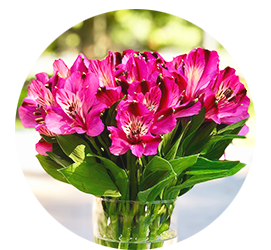
- Alstroemeria: 2 weeks
- Lilies: 1-2 weeks
- Orchids: 2+ weeks (with proper humidity)
- Gladiolus: 1-2 weeks
- Sunflowers: 7-12 days
- Roses: 1 week (sometimes longer with perfect care)
Common Mistakes That Shorten the Lifespan of Cut Flowers
- Forgetting to change water: Dirty water suffocates stems and breeds bacteria.
- Using dull "snippers": Crushed stems cannot absorb water efficiently.
- Packing flowers too tightly: Crowding causes poor airflow and mold.
- Neglecting placement: Sun and heat rapidly turn petals brown.
- Mixing incompatible varieties: Some flowers, like daffodils, release sap that harms others--always soak them separately for 24 hours before adding to other bouquets.
Frequently Asked Questions: Maximizing Cut Flower Longevity
How often should I trim stems?
Trim stems every 2-3 days for best results. Each trim opens new pathways for water absorption.
Can I use boiled or distilled water?
Yes. Especially if you live in a hard water area, distilled or boiled (then cooled) water is ideal. It's free of minerals and microbes that can clog stems.
Is homemade flower food effective?
Homemade flower food is a great backup if store sachets run out. Just stick to safe DIY recipes--avoid adding too much bleach or sugar, which can harm blooms.
Why are my flowers drooping after just one day?
This could be due to a blocked stem, air embolism, too much heat, or bacterial water. Immediately recut stems under running water, change the water, and move the vase to a cooler spot.
Is there any benefit to misting cut flowers?
Misting can benefit certain flowers, especially delicate or tropical varieties, as it helps maintain humidity and freshness. However, avoid excessive moisture on petals, which could cause fungal spotting.
Conclusion: Enjoy Beautiful Blooms for Longer
Caring for cut flowers at home is a rewarding and sensory-rich experience. By following these expert tips to maximize the longevity of your cut flowers at home, you can keep your bouquets looking fresh, vibrant, and beautiful for as long as possible. Remember, the key steps are: select wisely, cut well, use clean tools, treat water and placement with care, and refresh regularly.
With a little knowledge and effort, you can enjoy the joy of fresh cut flowers in your space week after week. Happy arranging!